
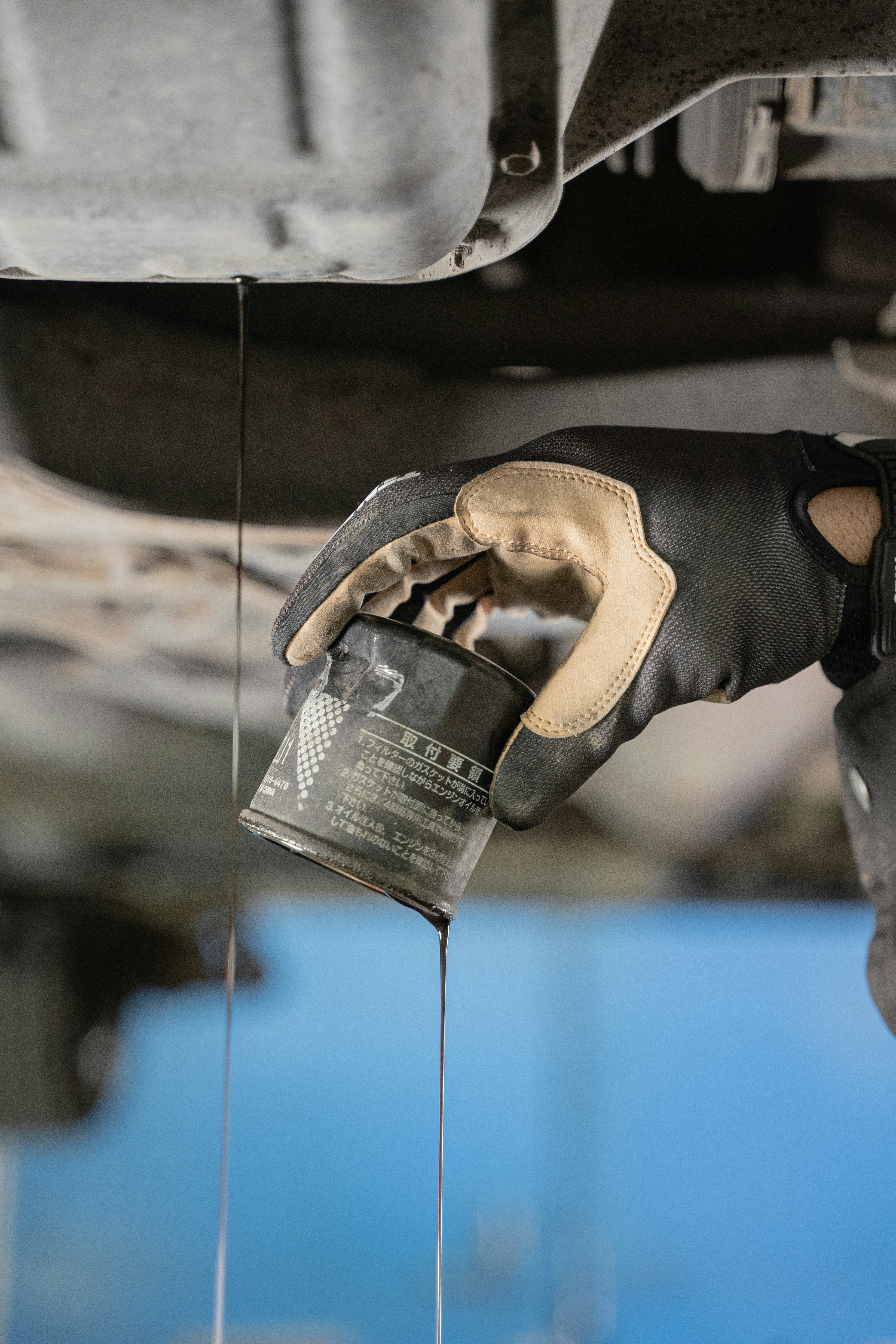
Introduction to Oil Filters
Oil filters are essential components of a vehicle’s engine lubrication system, playing a critical role in maintaining proper engine function and longevity. In essence, an oil filter works by removing impurities and contaminants from the engine oil, which is crucial for ensuring the engine operates smoothly. As engine oil circulates through the engine, it picks up dirt, metal particles, and other debris that can accumulate over time. The oil filter’s primary function is to trap these harmful substances, preventing them from causing wear and tear on vital engine components.
A well-functioning oil filter ensures that cleaner oil flows back into the engine, which helps in maintaining optimal performance and efficiency. The filtration process typically involves a combination of mechanical and chemical means. Mechanically, the filter’s media captures larger particles while allowing the oil to flow through. Additionally, many modern oil filters utilize special additives and materials that can help absorb smaller contaminants, thereby enhancing their cleaning capability.
Regularly replacing or servicing oil filters is vital to protect the engine from damage or reduced performance. A clogged or dirty oil filter can restrict the oil flow, leading to insufficient lubrication. This can result in increased friction, overheating, and ultimately, engine failure. By investing in genuine Toyota oil filters, vehicle owners can ensure that they benefit from high-quality filtration specifically designed for their Toyota vehicles. By using authentic parts, customers can also expect improved engine life, better fuel efficiency, and reduced emissions, all of which stem from an effectively functioning oil filtration system.
Understanding Genuine Toyota Oil Filters
Genuine Toyota oil filters are designed specifically for Toyota vehicles, adhering to the stringent manufacturing standards set by the company. The importance of these filters lies not only in their compatibility with specific engine models but also in the quality of materials used in their production. Genuine filters are crafted with advanced technology and high-grade materials that enhance their functionality and longevity.
The construction of a genuine Toyota oil filter typically involves a sturdy metal casing that can withstand high pressure and temperature variations. Inside, these filters feature a specially designed filtration medium that effectively captures contaminants and particles from the engine oil. This is crucial for maintaining engine performance and extending its life. In contrast, aftermarket alternatives often use inferior materials and may not undergo the same rigorous testing and quality control, leading to inconsistencies in performance.
Furthermore, genuine filters are engineered to provide the correct oil flow rates specifically tailored for Toyota engines. This ensures that the engine remains properly lubricated even under extreme driving conditions. The use of Original Equipment Manufacturer (OEM) parts, such as genuine oil filters, is essential for preserving the vehicle’s warranty and ensuring compliance with the manufacturer’s specifications.
When choosing between genuine Toyota oil filters and aftermarket counterparts, it is vital to understand that opting for OEM parts typically results in enhanced reliability and performance. Genuine filters not only help in protecting the engine but also contribute to overall fuel efficiency and vehicle longevity. As such, the investment in genuine Toyota oil filters is validated by both performance outcomes and peace of mind regarding the vehicle’s maintenance.
Key Advantages of Genuine Toyota Oil Filters
Using genuine Toyota oil filters provides numerous benefits that significantly enhance vehicle performance and longevity. One primary advantage is improved filtration efficiency. Genuine filters are specifically designed to meet the rigorous specifications of Toyota engines. They utilize advanced filtration media that capture not only larger particles but also micron-sized contaminants that can cause engine wear and tear. This enhanced filtration capability ensures cleaner oil circulates within the engine, which is essential for optimal performance.
Another key benefit of these oil filters is their optimal flow rates. Genuine Toyota oil filters are engineered to maintain steady oil flow under various operating conditions. This helps in maintaining the right lubrication pressure, thereby optimizing engine performance and efficiency. A well-lubricated engine functions smoothly, reducing friction and maximizing fuel economy. In contrast, using substandard or generic oil filters can lead to reduced flow and filtration efficiency, causing the engine to work harder and consume more fuel.
Compatibility is another significant factor when considering genuine Toyota oil filters. These filters are specifically designed to fit Toyota engines perfectly. This precise compatibility not only facilitates easy installation but also ensures that the filter performs at peak efficiency. Using a non-genuine oil filter can lead to complications, such as leaks, improper fitment, and poor performance, which could potentially shorten the engine’s lifespan.
Lastly, the durability and reliability of genuine Toyota oil filters cannot be overstated. Constructed from high-quality materials, they are built to withstand high temperatures and pressures, minimizing the risk of failure. This reliability translates to peace of mind for vehicle owners, knowing that they have invested in a product designed for their vehicle’s optimal health. All these advantages collectively affirm that using genuine Toyota oil filters is not just a choice; it is a wise investment in engine care and performance.
How Genuine Toyota Oil Filters Enhance Engine Performance
Genuine Toyota oil filters are engineered specifically to meet the rigorous demands of Toyota vehicles, greatly contributing to enhanced engine performance. One key element of engine efficiency is effective lubrication, which plays a vital role in minimizing friction between moving parts. Genuine oil filters ensure that only the cleanest oil circulates within the engine, providing superior protection against wear and tear. By capturing harmful contaminants and debris, Toyota oil filters maintain optimal oil quality, thereby promoting a smoother, more efficient operation.
Temperature control is another essential factor in engine performance; overheating can lead to severe damage and reduced longevity of engine components. The design of genuine Toyota oil filters allows for the continuous flow of oil to critical engine parts, which helps regulate temperature efficiently. By filtering out impurities that can lead to sludge buildup, these filters assist in maintaining the oil’s natural properties, which in turn supports stable engine temperatures. This durability is crucial, especially under demanding driving conditions, where the need for reliable performance is paramount.
Furthermore, genuine Toyota oil filters contribute to overall engine health by allowing for better oil circulation. With decreased resistance due to clean filters, oil can move freely through the engine, enhancing fuel efficiency. A well-lubricated engine experiences less friction, which leads to improved fuel economy, allowing drivers to save on fuel costs while also contributing to lower emissions. The synergy between proper lubrication and efficient temperature control underscores the importance of using genuine Toyota oil filters, emphasizing how they are not just a maintenance item but a fundamental component in the quest for optimal engine performance.
Cost-Effectiveness of Genuine Toyota Oil Filters
When evaluating the cost-effectiveness of genuine Toyota oil filters compared to aftermarket options, it is essential to consider not just the initial price point but also the long-term implications of each choice. While aftermarket filters may seem like a more budget-friendly option at first glance, they often lack the rigorous engineering and quality assurance that genuine Toyota components offer. This difference can result in significant cost-related consequences over time.
Genuine Toyota oil filters are specifically designed to match the unique requirements of Toyota engines, ensuring an optimal fit and performance. This compatibility aids in effective filtration of contaminants, thereby maintaining engine health and enhancing performance. Conversely, aftermarket filters may not always meet the same specifications and could lead to inadequate filtration. This inadequacy can increase the likelihood of engine wear, reducing the lifespan of expensive components and leading to costly repairs. The adage “you get what you pay for” rings particularly true in this context.
Additionally, consider the value of peace of mind that comes with using genuine parts. Toyota oil filters undergo rigorous testing and are manufactured to meet high standards of quality and reliability. Using these filters can help avoid unforeseen maintenance issues that may arise from using subpar alternatives. Over time, the reduced risk of engine damage and the extended lifespan of critical engine components often result in notable savings, offsetting the higher initial cost of genuine parts.
Ultimately, selecting a genuine Toyota oil filter is an investment in not only your vehicle’s performance but also your wallet. By prioritizing quality over initial cost, vehicle owners support their engine’s longevity and reliability, ensuring that the total cost of ownership remains favorable.
Installation of Genuine Toyota Oil Filters
Proper installation of genuine Toyota oil filters is crucial for maintaining optimal vehicle performance and engine longevity. An incorrectly fitted oil filter can lead to severe engine damage or reduced efficiency. Here is a step-by-step guide to assist you in ensuring a correct installation of a genuine Toyota oil filter.
Begin by gathering the necessary materials, which include a new genuine Toyota oil filter, an oil filter wrench, a rubber gasket, and a clean rag. First, safely lift the vehicle using jack stands or ramps and ensure you are working in a well-ventilated area. Once you have access to the oil filter, use the oil filter wrench to remove the old filter. Turn it counterclockwise, allowing any residual oil to drain into the catch pan.
Before fitting the new genuine Toyota oil filter, apply a small amount of new oil to the rubber gasket of the new filter. This lubricates the seal and ensures a secure fit, reducing the likelihood of leaks. Next, position the new oil filter onto the mounting surface, aligning it correctly. Hand-tighten the filter and then use the wrench to give it a final snug turn, taking care not to overtighten, which can damage the gasket and lead to leaks.
Once the new oil filter is installed, it is essential to refill the engine oil, ensuring that you use the correct type, as specified in your vehicle’s manual. After refilling, start the engine and allow it to run for a few minutes. This action enables the new oil to circulate and properly fill the filter. During this time, monitor for any signs of leakage around the filter. Ensuring all these steps are diligently followed will enhance the efficiency and performance of your Toyota.
Replacing Oil Filters: Frequency and Signs
Regular maintenance of oil filters is critical for ensuring the longevity and optimal performance of Toyota vehicles. Typically, it is recommended to replace the oil filter during every oil change, which usually occurs every 5,000 to 10,000 miles, depending on the type of oil used and driving conditions. Toyota advises adhering to the vehicle’s maintenance schedule, which can be found in the owner’s manual, to determine the precise intervals for oil filter replacements specific to your model.
In addition to adhering to scheduled maintenance, there are several signs that indicate when it is time to replace the oil filter. One prominent sign is a decrease in engine performance. If the engine is running rough or there are noticeable hesitations, it might be time to inspect the oil and filter. Another key indicator is the presence of dirty or murky oil. When oil appears dark and gritty, it typically means that contaminants have accumulated in the filter, reducing its effectiveness in lubricating the engine.
Furthermore, low oil pressure can also be a significant sign that the oil filter may need replacing. If the oil pressure warning light on the dashboard illuminates, it is imperative to check both the oil level and the filter. A clogged filter can restrict oil flow, leading to decreased pressure and potential engine damage if not addressed promptly. Additionally, unusual engine noises or a rising engine temperature can indicate inadequate lubrication caused by a failing filter.
By staying aware of these warning signs and adhering to recommended maintenance schedules, Toyota owners can ensure their vehicles remain in optimal condition and avoid costly repairs down the line. Taking proactive measures to replace oil filters will contribute significantly to the overall health of the engine, promoting efficiency and extending its lifespan.
Customer Reviews and Testimonials on Genuine Toyota Oil Filters
The experience of Toyota vehicle owners who choose genuine oil filters is overwhelmingly positive. Many customers have praised the reliability of these filters, indicating that using authentic parts significantly contributes to the longevity and performance of their engines. For instance, a long-time Toyota Camry owner noted that after switching to genuine Toyota oil filters, she noticed a marked improvement in engine responsiveness, particularly during start-up and acceleration. This aligns with sentiments expressed by other users who have reported smoother engine operation and enhanced fuel efficiency.
Another common theme found in testimonials is the peace of mind that comes with using genuine parts. A satisfied Tacoma driver remarked on the importance of preserving the vehicle’s integrity and maintaining warranty coverage. By using genuine oil filters, he felt assured that his truck’s performance would not suffer from potential issues caused by lesser quality alternatives. This trust in Toyota’s parts is echoed by an owner of a Toyota Highlander, who stated that using genuine oil filters during routine maintenance gave her confidence that the engine would remain in optimal condition, especially during rugged off-road excursions.
Conclusion: Choosing Genuine for Your Vehicle’s Health
In summary, the decision to use genuine Toyota oil filters cannot be overstated when considering the overall health and performance of your vehicle. These original equipment manufacturer (OEM) parts are designed specifically to meet the engineering standards of Toyota vehicles. As a result, they provide optimal filtration and ensure that your engine runs smoothly and efficiently. The importance of using these authentic components includes enhanced filtering capabilities, improved engine longevity, and more reliable vehicle performance.
Moreover, genuine Toyota oil filters are built with quality materials that are not only durable but are also engineered to withstand the high pressures of engine operation. This robustness means that you are less likely to face issues related to clogging or oil leaks, which can significantly impair engine function. In contrast, using substandard filters may lead to costly repairs and a shorter lifespan for your engine, ultimately impacting your vehicle’s reliability and value.
Additionally, by opting for genuine Toyota oil filters, you are investing in the long-term health of your vehicle. These filters are part of a comprehensive maintenance strategy that promotes regular oil changes and timely servicing. Many vehicle owners overlook the impact of using non-OEM parts, yet the risks associated with inferior substitutes can lead to severe consequences that affect the entire vehicle system.
Thus, when considering the various options available, it is evident that investing in genuine Toyota oil filters is a prudent choice. Not only do they enhance your vehicle’s operational efficiency, but they also provide peace of mind knowing that you are prioritizing your car’s health. By making informed choices regarding the parts you utilize, you can ensure a long-lasting relationship with your vehicle while maximizing its performance and reliability.