
Introduction to Tire Machines and Balancers
Tire machines are essential tools used in the automotive industry for the service, mounting, and demounting of tires on vehicles. These machines significantly streamline the process of installing tires, making it faster and more efficient. Tire machines come in various configurations and capabilities, catering to a range of tire sizes and types, which helps mechanics and tire shops to provide quality service to their customers.
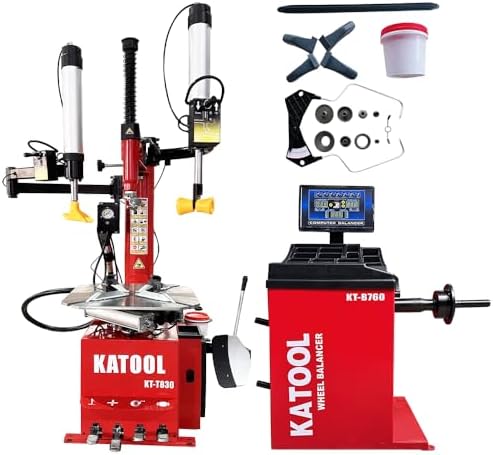
In addition to tire machines, tire balancing is a critical procedure that ensures even weight distribution across the tire assembly. This process is fundamental because unbalanced tires can lead to various issues, such as uneven tire wear, impaired handling, and vibrations while driving. Such complications not only affect the longevity of the tires but also pose safety risks to drivers and passengers.
The importance of tire machines and balancers in vehicle maintenance cannot be overstated. Properly functioning tires contribute significantly to the overall performance of a vehicle, providing traction, stability, and efficiency. Without the effective use of tire machines, the installation or removal of tires could become a labor-intensive and time-consuming task. Consequently, this could lead to an increase in wait times for customers and potentially compromise the safety and performance of the vehicles serviced.
Therefore, understanding how tire machines work, along with the necessity of tire balancing, is imperative for automotive professionals and enthusiasts alike. Not only do these tools facilitate the maintenance of vehicles, but they also ensure that drivers can enjoy a safe and smooth driving experience. As we delve deeper into tire machines and balancers, it becomes evident that they are pivotal in the world of automotive care.
Types of Tire Machines
Tire machines are essential tools for automotive service shops, designed to facilitate the installation, removal, and balancing of tires. There are various types of tire machines available in the market, each serving distinct functionalities tailored to specific needs. Understanding these options can help businesses select the appropriate equipment based on their requirements.
One of the primary distinctions among tire machines is between manual and automatic models. Manual tire machines require the operator to exert physical effort to perform tasks such as breaking the bead and mounting the tire onto the rim. These machines are typically more affordable and are often favored by smaller shops due to their lower overhead costs. However, they may require skilled labor and additional time, as the operator’s ability significantly affects the efficiency of the process.
In contrast, automatic tire machines streamline the tire installation and removal process through mechanized functions. These machines often come equipped with advanced features, such as automatic bead breaking, which minimizes human effort and reduces the time necessary for tire changes. Automatic tire machines tend to offer higher productivity levels, making them a valuable investment for larger automotive service centers that require consistent and rapid service. However, they usually come with a higher price tag and can involve increased maintenance costs.
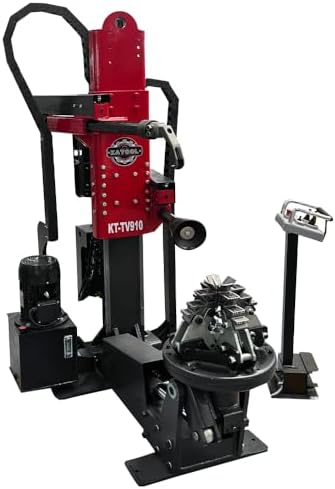
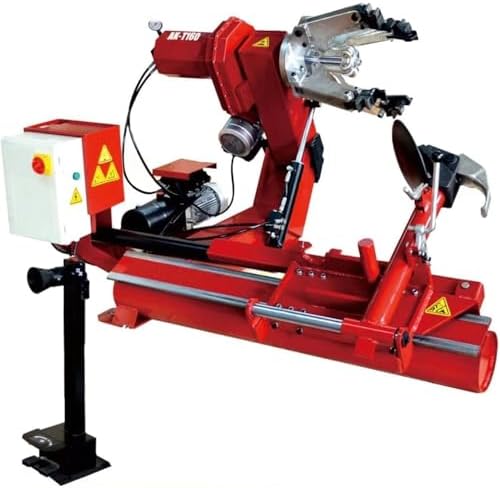
Additionally, tire machines can vary in their specific functionalities, such as tilt-frame and vertical machines. Tilt-frame tire machines have arms that can tilt horizontally, providing easier access to the tire, while vertical tire machines are designed for quicker setup and reduced footprint. Each type has its own advantages and disadvantages, influencing shop efficiency and user experience.
By considering the specific needs of your automotive service business, you can choose the optimal tire machine that balances functionality, cost, and performance.
Tire Balancing: Importance and Techniques
Tire balancing is a critical aspect of vehicle maintenance that significantly impacts overall performance and safety. Properly balanced tires ensure a smooth ride, reduce wear and tear on the tire itself, and contribute to the longevity of suspension components. When tires are out of balance, it can lead to uneven tread wear, vibrations during driving, and compromised handling. Therefore, regular tire balancing should be a part of routine vehicle upkeep.
There are two primary techniques used in tire balancing: static balancing and dynamic balancing. Static balancing involves measuring the tire’s weight distribution when it is stationary. This method identifies the heavy and light spots on the tire, allowing for the application of weights only at the appropriate locations to achieve equilibrium. Static balancing is typically suitable for certain types of wheels and situations where there is minimal speed variation.
On the other hand, dynamic balancing is performed while the tire rotates and is considered the more advanced technique. This method addresses any imbalance that occurs during motion, providing a more comprehensive solution to balance issues across a wider range of speeds. Most modern tire machines automatically perform dynamic balancing, making it the preferred choice for everyday vehicles and high-performance situations.
Determining the appropriate method depends on various factors, including the type of vehicle, speed capabilities, and specific driving conditions. For instance, high-speed vehicles benefit most from dynamic balancing due to the varied forces acting on tires over increased speeds. Regular checks and balancing when new tires are installed or rotated are essential for vehicle stability and safety.
How Tire Machines Work
Tire machines are essential tools in the automotive industry, designed to streamline the process of tire installation and maintenance. At the core of their function are several key components that work in tandem to facilitate the mounting and demounting of tires, making tire replacement safer and more efficient.
One of the primary components of tire machines is the mounting head. This part is engineered to grasp the tire securely as it is being positioned onto the wheel rim. The mounting head features a set of specialized levers, which allow the operator to guide the tire onto the rim with precision. This is crucial, as improper fitting can lead to complications during tire operation.
In addition to the mounting head, the demounting arm plays a critical role in the tire installation process. When removing a tire, this arm assists by applying consistent pressure against the tire sidewall, enabling it to be effortlessly detached from the rim. The integration of pneumatic or hydraulic systems in these machines often enhances the demounting action, drastically reducing the physical effort required from the technician.
Furthermore, tire machines are equipped with inflation systems that ensure the tire is properly sealed to the rim. This system may involve a high-pressure inflation nozzle that introduces air into the tire effectively, which is vital for achieving the necessary pressure for optimal performance. Adequate inflation not only prolongs tire life but also improves vehicle safety and handling.
When these components—the mounting head, demounting arm, and inflation system—function together, they form an efficient tire fitting system. This coordination makes tire machines indispensable in workshops, ensuring that tires are mounted and balanced correctly. The technological advancements in tire machines have elevated their role in vehicle maintenance, enabling faster service times and a higher standard of tire care.
The Balancing Process: Step by Step
Tire balancing is a critical process that ensures even weight distribution across the tire’s tread. This not only promotes a smooth ride but also extends the lifespan of the tires and vehicle components. The balancing process begins with preparation, where the tire and wheel assemblies are inspected for any visible damage or irregularities. This step ensures that the tire machines used for the process can operate effectively.
Once the initial inspection is complete, the next step is measurement. The tire machine is utilized to spin the tire and measure any imbalances that may exist. This is achieved through specialized sensors that detect the location and amount of imbalance, which can be attributed to weight distributions that are either excessive or deficient. Both static and dynamic balancing are considered during this phase to provide a comprehensive understanding of the tire’s status.
After the measurements are taken, the correction phase begins. The tire technician will use the data gathered from the tire machine to determine the appropriate counterweights required to achieve balance. These weights can be made of various materials and are strategically placed on the rim of the wheel to offset any discrepancies. Precision in this phase is crucial, as improper weight placement could result in a recurrence of the imbalance.
Following the correction, the tire is re-measured to ensure that it falls within acceptable balancing limits. This iterative method ensures that both the technician and the tire machine work in tandem to achieve optimal results. Finally, a brief test drive may be performed to evaluate the tire’s performance under real conditions, further affirming that the balancing process has successfully addressed all issues. Through these steps, vehicle safety, performance, and tire longevity are significantly enhanced.
Choosing the Right Tire Machine and Balancer for Your Workshop
When selecting tire machines and balancers for your workshop, it is imperative to consider various factors that directly correlate with your specific needs. One of the foremost considerations is your budget. Tire machines and balancers are available at a range of price points, which can significantly affect their features and capabilities. Hence, assessing what you can afford while still meeting operational demands is critical.
Another essential aspect is the available space in your workshop. Tire changing machines and balancers vary in size, and it is crucial to ensure that you have adequate room for the equipment. Additionally, you should consider the layout of your workshop to optimize workflow. Efficient space arrangement allows technicians to work effectively, enhancing overall service speed and quality.
The type of services your shop offers also plays a critical role in determining the right tire machine and balancer. If your workshop focuses on high-performance vehicles, investing in advanced tire machines equipped with modern features may be justified. Conversely, a shop that primarily handles standard vehicles may benefit from more economical choices. Understanding the types of tires commonly serviced and their specific requirements will guide your decision-making process.
Lastly, assessing customer volume is vital in making an informed decision. Higher customer turnover necessitates more robust, quicker tire changing machines and balancers to handle the demand efficiently. On the other hand, a lower volume might allow for more budget-friendly options with varying features. In summary, careful consideration of your budget, workshop space, services offered, and expected customer volume will assist you in selecting the most suitable tire machines and balancers for your operational needs.
Maintenance and Troubleshooting Tips for Tire Machines and Balancers
Effective maintenance and troubleshooting of tire machines and balancers are critical for ensuring their optimal performance and longevity. Regular upkeep practices not only prevent costly repairs but also enhance the efficiency of these essential tools in any automotive workshop.
To maintain a tire machine, it is vital to perform daily inspections and cleanings. Ensure that all moving parts are free of debris, and lubricate according to the manufacturer’s specifications. Worn clamps and worn-out wheels can greatly impact performance; therefore, monitoring these components is necessary. Additionally, calibrating the machine regularly can help maintain precision, especially when changing tire sizes or types. Keeping a maintenance log can also serve as a valuable reference to identify trends or recurring issues.
Balancers likewise require routine checks to function correctly. Ensure that the balancing weights are correctly applied and that the machine is level and stable during use. Inspect the drive belt for wear and replace it if necessary, as a frayed or loose belt can lead to inaccurate readings. Regularly updating software and firmware can also prevent operational glitches. Keeping the balancer clean will minimize the risk of wear on its sensitive components.
Common troubleshooting issues for both tire machines and balancers often include inaccurate readings, sluggish operation, or mechanical failures. In such cases, verifying that all connections and attachments are secure should be the first step. If the machine fails to operate smoothly, checking for any obstructions or misalignments is also recommended. For more complex problems, consulting the user manual or seeking professional advice may be essential to avoid further damage.
By implementing these maintenance tips and being proactive in troubleshooting, operators can significantly enhance the reliability and durability of tire machines and balancers in their workshops.
Innovations in Tire Technology: The Future of Tire Machines and Balancers
The tire servicing industry is undergoing a transformative period characterized by remarkable innovations in tire machines and balancers. As vehicles become more sophisticated, the need for advanced tire servicing solutions is paramount. One significant trend is the integration of automation technologies in tire machines. Automated tire changers are increasingly being adopted, enabling mechanics to streamline workflows and reduce manual labor. These machines can efficiently handle tire mounting and demounting, significantly speeding up the servicing process and enhancing safety for technicians.
Moreover, the emergence of intelligent tire balancers has revolutionized how professionals manage tire balance. Modern balancers are equipped with advanced sensors and data analysis capabilities. They can accurately assess tire weight distributions and detect subtle imbalances that traditional models might miss. This precision leads to better vehicle performance and contributes to longer tire life. Additionally, these sophisticated machines often come with user-friendly interfaces, simplifying the operating process for technicians and reducing the training time required for new staff.
An increasing emphasis on data analytics is also evident in the tire servicing sector. Tire machines and balancers are now capable of collecting operational data, which can be analyzed to optimize service practices. This data-driven approach allows service centers to identify trends, improve operational efficiency, and customize offerings based on specific customer needs. As a result, tire servicing businesses can move towards a more proactive service model that anticipates customer requirements rather than a reactive one. With ongoing advancements in technology, the future of tire machines and balancers promises improved efficiency, accuracy, and service quality. Ultimately, these innovations are setting new standards in tire servicing, ensuring a better experience for both service professionals and vehicle owners alike.
Frequently Asked Questions about Tire Machines and Balancers
Tire machines and balancers serve crucial roles within the automotive industry, ensuring that vehicles exhibit optimal performance and safety. Many individuals have queries regarding their operation and significance. This section addresses some commonly asked questions to alleviate uncertainties and provide valuable insights.
What is a tire machine?
A tire machine, also known as a tire changer, is a mechanical device designed to facilitate the removal and installation of tires from wheels. These machines minimize manual effort, enhance efficiency, and reduce the risk of damage to both tires and wheels during the mounting or demounting process.
What is the function of a tire balancer?
A tire balancer, or wheel balancer, ensures that the weight of a tire and wheel combination is evenly distributed around the axle. This balancing prevents vibrations during driving, leading to improved vehicle handling and reduced tire wear. Properly balanced tires contribute to overall safety and comfort while driving.
How do I maintain a tire machine?
Routine maintenance of a tire machine is essential to ensure its longevity and efficiency. Regularly inspect the machine for wear and tear, lubricate moving parts, and replace any worn components promptly. Keeping the operating area clean and adhering to manufacturer guidelines will also prolong the machine’s life.
Can tire machines accommodate all types of tires?
Most tire machines are designed to handle a variety of tire types, including passenger car tires, light truck tires, and some larger tire sizes. However, specialized machines may be necessary for heavy-duty or specialty tires such as those used in agricultural or industrial applications.
What should I consider when purchasing a tire balancer?
When purchasing a tire balancer, consider factors such as accuracy, ease of use, and the balancer’s capabilities. Digital balancers with advanced features can provide more precise readings and facilitate quicker setups, making them a valuable addition to any tire service operation.
In conclusion, understanding the functionalities and maintenance of tire machines and balancers is paramount for both industry professionals and car owners. This knowledge enhances the safety and longevity of tires, thereby improving overall vehicle performance.