

Introduction to Hoodies


Hoodies have become an essential component of contemporary casual wear, beloved by individuals of various ages and backgrounds. Their origins trace back to the 1930s when sportswear manufacturers began creating practical clothing for workers and athletes. Designed initially for warmth and comfort, hooded sweatshirts quickly transitioned into street fashion, catching the attention of trendsetters and becoming a canvas for self-expression.
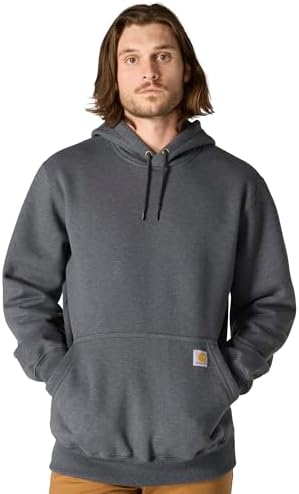
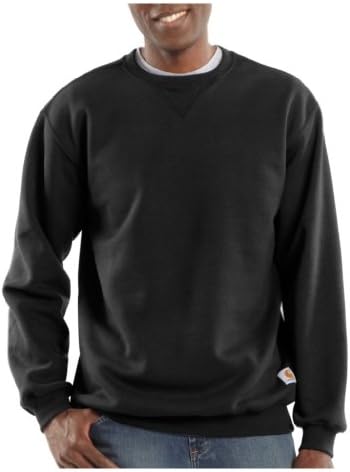
Over the decades, the hoodie has seen significant evolution, morphing from its utilitarian beginnings into a symbol of various subcultures, including hip-hop, skateboarding, and tech communities. Its adaptability has allowed it to remain relevant; from high-fashion design houses incorporating hoodies into their collections to casual wear brands offering extensive ranges, the hoodie is ubiquitous in today’s wardrobe. The garment’s informal nature and versatile styling options appeal to many, allowing individuals to express their unique tastes.
As we explore the allure of hoodies, it becomes evident that their significance extends beyond mere comfort. They embody a sense of belonging, identity, and community for many wearers. In various cultures, hoodies have been embraced as a form of casual attire that breaks traditional dress codes, making them suitable for a range of settings from social gatherings to outdoor activities.
The hoodie’s popularity is attributable to its ability to be seamlessly integrated into multiple styles, making it appropriate for diverse occasions. While one can pair a hoodie with jeans and sneakers for a laid-back look, there are also opportunities to dress it up with tailored trousers and boots for a more refined appearance. This versatility solidifies the hoodie’s position as a significant fixture in the modern clothing landscape.
Different Types of Hoodies
Hoodies have gained immense popularity as a staple in modern fashion, serving both functional and aesthetic purposes. There are several types of hoodies available in the market today, each with its unique features and appeal. Understanding the different styles can help individuals choose the perfect piece to fit their personal style.
One of the most common types is the pullover hoodie, which is characterized by its simplicity and ease of wear. This style does not feature any zippers, allowing for a snug fit around the neck, making it ideal for colder temperatures. Pullover hoodies often come in various fabrics, including fleece and cotton, and can be easily layered over other clothing items.
In contrast, the zip-up hoodie offers versatility and convenience, featuring a front zipper that allows for easy wear and removal. This type is particularly favored for its adjustable ventilation, as wearers can choose to zip it up fully or leave it partially open. Zip-up hoodies are often seen in both casual and athletic contexts, making them suitable for various occasions.
Cropped hoodies have emerged as a popular trend, especially among the fashion-forward crowd. They typically sit above the waist, allowing for a stylish flair that pairs well with high-waisted bottoms. This style is great for creating a casual yet chic look, appealing especially to younger audiences in streetwear culture.
Oversized hoodies present another fashionable choice, characterized by a loose fit that emphasizes comfort. These hoodies often exude a relaxed vibe and can be styled in numerous ways, from pairing with leggings to wearing as a statement piece over fitted jeans. Oversized styles prioritize coziness while making an impactful fashion statement.
As the hoodie continues to evolve, various other styles such as graphic hoodies and hooded sweatshirt dresses have also surfaced in the market. Each type caters to specific fashion preferences, allowing individuals to express themselves creatively and comfortably in their everyday attire.
Materials Used in Hoodies
Hoodies, known for their style and comfort, are made from a variety of materials, each offering unique advantages and disadvantages. One of the most common materials is cotton. Renowned for its softness and breathability, cotton hoodies are ideal for casual wear and warm weather. However, they may not offer the same level of insulation as some synthetic blends, making them less suitable for colder temperatures.
An alternative material frequently used in hoodie production is polyester. This synthetic fabric has gained popularity due to its durability and moisture-wicking properties, which help keep wearers dry during physical activities. Polyester hoodies can also retain their shape and resist fading, ensuring a longer lifespan. On the downside, they are less breathable than cotton, which can lead to discomfort in warmer conditions.
Fleece is another material commonly found in hoodies, particularly those designed for warmth. This soft, fluffy fabric provides excellent insulation, making fleece hoodies perfect for cold weather. They tend to be lightweight while offering substantial warmth, creating a comfortable wearing experience. However, one drawback is that fleece can be prone to pilling, which may affect the overall appearance of the garment over time.
Additionally, many hoodies are made from blended materials, combining cotton, polyester, or other fabrics. These blends aim to capitalize on the best features of each material, providing comfort, moisture management, and durability. The downside is that the benefits largely depend on the specific proportions of each material used in the blend.
In summary, when choosing a hoodie, it is essential to consider the material, as it directly influences comfort, warmth, and style. Understanding the pros and cons of cotton, polyester, fleece, and blended fabrics can help you select the perfect hoodie for your needs, ensuring you enjoy both functionality and fashion.
Styling Your Hoodie
Hoodies have transcended their origins as sportswear to become a staple in contemporary fashion. The versatility of hoodies allows them to be styled for various occasions, ranging from casual outings to more dressed-up events. An understanding of how to effectively style a hoodie can elevate an outfit, making it both comfortable and fashionable.
For a casual look, pairing a classic hoodie with jeans is a common choice. Opt for well-fitted jeans or even joggers if you crave extra comfort. Sneakers or ankle boots can complete the ensemble, creating an effortless yet stylish vibe. To add uniqueness, consider hoodies with interesting graphics or designs that reflect your personal style.
On the other hand, hoodies can also be dressed up. Try layering a fitted hoodie beneath a tailored blazer or a structured jacket. This combination not only retains the casual appeal of the hoodie but adds a layer of sophistication to your appearance. Pair this outfit with chinos or dark trousers, and finish off the look with loafers or brogues for a smart-casual ensemble that is suitable for social gatherings or casual office settings.
Seasonal styling presents additional opportunities to leverage hoodies. In colder months, layer your hoodie under a stylish coat or a long trench. This not only keeps you warm but also enhances the fashionable aspect of your attire. In warmer seasons, lightweight hoodies can be teamed with shorts or skirts, providing a breezy, relaxed look perfect for summer outings.
The adaptability of hoodies makes them suitable for myriad styling options. By thoughtfully combining them with various clothing items, you can curate outfits that balance comfort and style, ensuring that a hoodie is not merely a basic garment but a key component of your wardrobe.
Popular Hoodie Brands
In the market of casual wear, hoodies have emerged as a staple piece, with various brands cementing their reputation through quality craftsmanship and innovative designs. This section examines some of the most popular hoodie brands ranging from high-end luxury options to budget-friendly choices.
First on the list is Supreme, a brand known for its unique streetwear designs. Established in 1994, Supreme has embraced a cultural blend of skateboarding, music, and fashion. Their hoodies often feature bold graphics and the iconic box logo, making them highly sought after. The brand’s limited releases and collaborations with artists and designers have also elevated its status among collectors.
Nike is another prominent name in the hoodie market, recognized globally for its sportswear. Founded in 1964, the company has made a name for itself with innovative athletic apparel. Nike hoodies are celebrated for their performance features, such as moisture-wicking fabrics, and stylish aesthetics, merging both functionality and fashion. Their “Tech Fleece” hoodies, known for their lightweight insulation, exemplify this balance.
Moving to a more budget-friendly option, H&M offers a variety of affordable hoodies appealing to a broad audience. This Swedish brand, founded in 1947, prioritizes accessibility without compromising on style. H&M’s hoodie collection includes classic designs, vibrant prints, and sustainable options made from recycled materials, catering to environmentally conscious consumers.
Lastly, Champion holds a notable place in the hoodie realm. Established in 1919, Champion has a rich history in sportswear, often credited with inventing the first hooded sweatshirt. The brand’s “Reverse Weave” hoodies are particularly popular for their longevity and comfort. Champion’s reputation for durability and classic designs has made it a reliable choice for many consumers.
Each of these brands brings something unique to the table, making their hoodies appealing to various demographics and style preferences.
The Rise of Hoodies in Streetwear Culture
The hoodie has undeniably become a significant element of streetwear culture, representing not just a fashion choice but a form of self-expression among diverse subcultures. Its casual yet stylish appeal has made it the garment of choice for many, from urban youth to mainstream celebrities.
For decades, hoodies have been adopted by various social movements and groups, establishing them as symbols of rebellion and individuality. In urban communities, wearing a hoodie often reflects a sense of belonging and identity. This recognizable apparel has traversed boundaries, becoming a canvas for personal and political statements, frequently adorned with graphics or slogans that resonate with the wearer’s beliefs.
The influence of hoodies has expanded significantly with the rise of celebrity endorsements and collaborations between high-end fashion houses and streetwear brands. Artists, athletes, and influencers—such as Kanye West and A$AP Rocky—have popularized hoodies, seamlessly integrating them into high-fashion contexts, which validates their place in contemporary fashion. As a result, mass brands have waded into this trend, while luxury designers are also eager to incorporate hoodies into their collections, thereby enhancing the garment’s prestige.
Hoodies stand out in the world of fashion because they bridge the gap between comfort and style. This functionality has garnered the attention of fashion critics and enthusiasts alike, with numerous editorials featuring hoodies as must-have items on runway shows and in lifestyle magazines. Moreover, urban neighborhoods have become hubs for creativity, with local brands establishing their unique takes on hoodies, contributing to a diverse tapestry of designs that showcase cultural influences.
In recap, the hoodie’s rise within streetwear culture illustrates its evolution from a simple piece of clothing to a potent symbol of self-expression and individuality, embraced by the masses as well as the elite, maintaining its relevance across generations.
The Environmental Impact of Hoodies
The production of hoodies, like many other textile products, raises significant environmental concerns. One of the primary issues is the substantial resource consumption associated with manufacturing these garments. The process involves extracting raw materials, which often requires vast amounts of water and energy. Additionally, traditional fabrics such as cotton and polyester can contribute to environmental degradation. Cotton farming, for instance, often necessitates heavy usage of pesticides and fertilizers, leading to soil degradation and water pollution.
Furthermore, synthetic materials used in hoodies, such as polyester, derive from petroleum, thus implicating the industry in fossil fuel dependence, with subsequent implications for greenhouse gas emissions. Recycling rates for these materials remain low, exacerbating the waste problem. According to studies, the fashion industry, including hoodie manufacturing, is responsible for a considerable percentage of global carbon emissions, highlighting the urgent need for change.
On a positive note, there is an increasing trend among companies to adopt eco-friendly practices in their manufacturing processes. These initiatives range from utilizing sustainable materials to implementing energy-efficient production methods. Brands are now offering hoodies made from organic cotton, recycled polyester, and other environmentally friendly fabrics. Moreover, many of these companies are adopting transparency in their supply chains, allowing consumers to make informed decisions regarding the environmental impact of their clothing purchases.
As consumers become more environmentally conscious, there is a growing demand for sustainable fashion, prompting the industry to explore more responsible practices. This shift not only addresses the environmental concerns associated with hoodie production but also promotes a culture of sustainability within the fashion sector. Ultimately, the future of hoodies may depend on the industry’s ability to harmonize style, comfort, and environmental responsibility.
Caring for Your Hoodie
Maintaining the quality and longevity of your hoodie requires proper care and attention. By following a few simple guidelines, you can ensure that your favorite piece remains stylish and comfortable for years to come.
When it comes to washing, it is best to start by checking the care label inside your hoodie. Most manufacturers provide specific instructions regarding temperature settings and suitable detergents. Generally, hoodies made from cotton or cotton blends can be washed in cold or warm water, while synthetic fabrics may require cooler settings. It is advisable to turn your hoodie inside out to protect any prints or embellishments from friction in the washing machine.
Avoid using bleach as it can degrade fabric fibers and alter the color of your hoodies. Instead, opt for mild detergents that are effective yet gentle on the material. Additionally, to prevent pilling and preserve the texture, it is wise to wash your hoodies with similar fabrics, minimizing the risk of snagging.
After washing, proper drying techniques are essential. If the care label allows, air drying is the safest method, as tumble drying can shrink your hoodie or cause it to lose shape. You may choose to hang it on a clothing rack or lay it flat on a towel to maintain its structure. If you do opt for a dryer, select the lowest heat setting and remove the hoodie while it is still slightly damp to avoid excessive heat exposure.
Finally, the way you store your hoodies also matters. It is often best to fold them rather than hang, as this can prevent stretching of the fabric. Store them in a cool, dry place, removed from direct sunlight to avoid fading. Following these tips will help ensure that your hoodies remain vibrant and cozy for many seasons to come.
Conclusion: The Lifelong Appeal of Hoodies
The enduring popularity of hoodies is a testament to their unique blend of comfort, style, and cultural significance. For decades, these versatile garments have evolved from being simple athletic wear to becoming a staple in contemporary fashion. Hoodies provide an essential sense of comfort, acting as an inviting layer that many crave in a fast-paced world. Their soft fabric and relaxed fit allow for ease of movement, making them suitable for both leisurely activities and everyday errands.
Beyond comfort, hoodies serve as a canvas for personal expression. Available in an array of colors, designs, and styles, they cater to diverse tastes and can convey distinct identities. Whether emblazoned with a logo, featuring a unique design, or paired with stylish bottoms, hoodies are flexible enough to accommodate various fashion choices. This versatility allows individuals to express themselves, reinforcing that hoodies are more than just garments; they’re a significant part of the contemporary wardrobe.
Culturally, hoodies have also become symbols of rebellion, youth culture, and solidarity. Fashion movements often embrace hoodies, turning them into statements that resonate within various social contexts. Whether in music, art, or everyday life, these garments play a crucial role in shaping cultural narratives.
As we reflect on the ever-evolving world of fashion, it is clear that hoodies will continue to thrive. Their captivating blend of comfort, style, and cultural relevance ensures that they remain a beloved choice for individuals across generations. The hoodie’s adaptability and enduring charm signify that it will always hold a rightful place in the hearts and closets of many.