
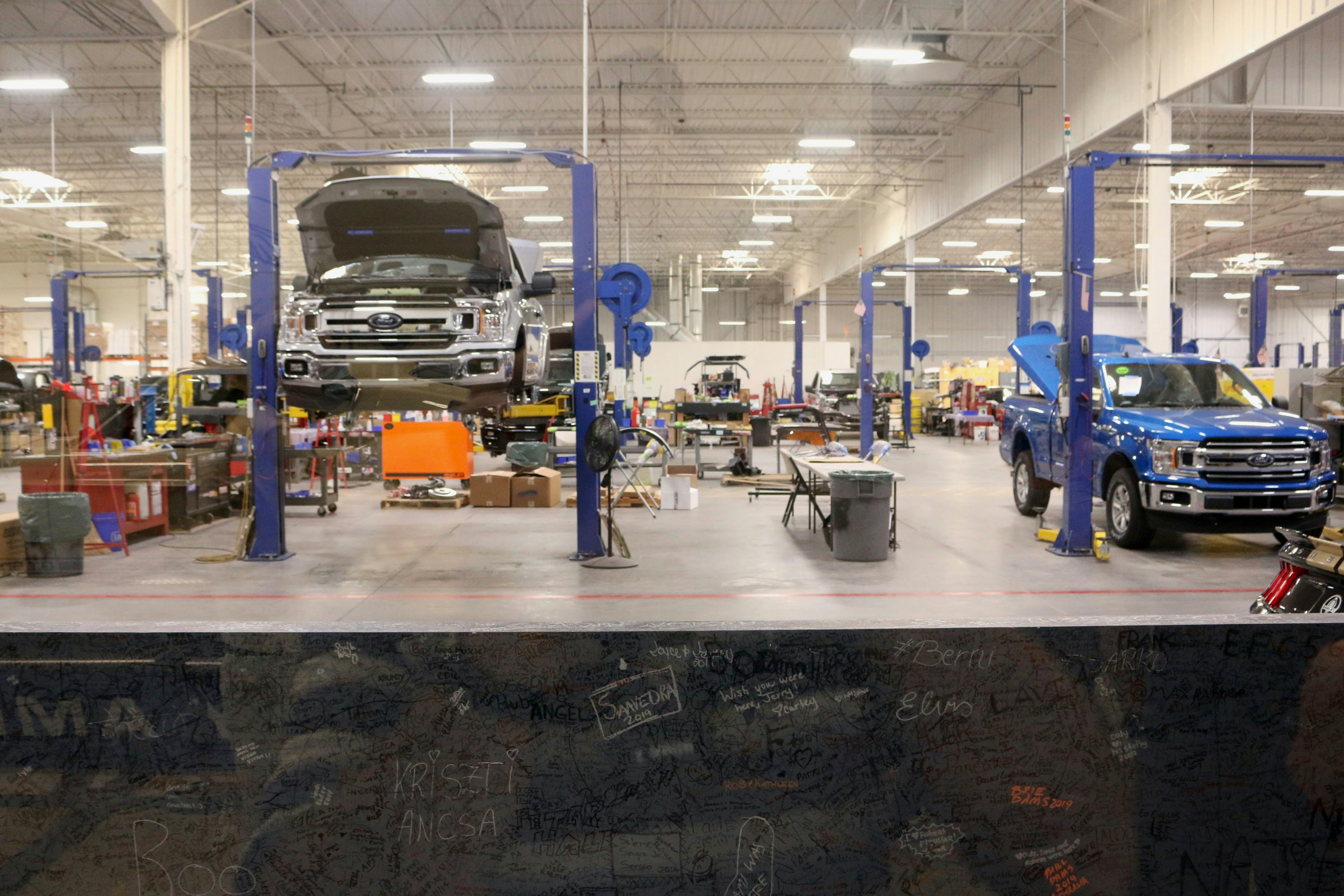
Introduction to Vehicle Lifts
Vehicle lifts play an essential role in the automotive industry, serving as indispensable tools for both car enthusiasts and professional workshops. These devices elevate vehicles, providing mechanics and hobbyists with enhanced access to the undercarriage, engine, and other critical components, which is fundamental for effective maintenance and repairs.


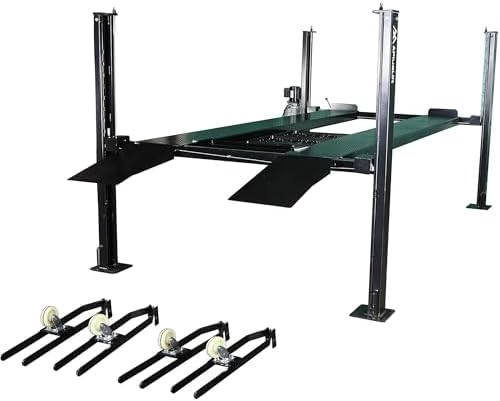
The safety benefits of using a vehicle lift are profound. Traditional methods of elevating vehicles, such as using jacks or ramps, can pose significant risks of accidents. A well-designed lift minimizes this risk by providing a stable and secure platform, reducing the likelihood of injuries associated with improper lifting techniques. This factor is especially crucial in professional settings where multiple vehicles are serviced daily.
Moreover, vehicle lifts significantly streamline maintenance processes. By allowing easy access to the vehicle’s underside, they facilitate routine checks, oil changes, and repairs, thus saving time and improving workflow efficiency. Time savings are invaluable in busy garages or workshops where every minute counts. Enhanced accessibility encourages thorough inspections, ultimately contributing to higher vehicle performance and longevity.
Additionally, vehicle lifts come in various types, ranging from two-post lifts to four-post lifts, each designed to cater to specific needs. Car enthusiasts can benefit from home installation options, which turn a garage into a small workshop or hobby space. For professional auto shops, hydraulic lifts and scissor lifts offer impressive capabilities for lifting heavier vehicles while ensuring reliability and safety in the lifting process.
In conclusion, the implementation of vehicle lifts not only elevates the car servicing experience but also plays a vital role in enhancing safety, efficiency, and convenience across the automotive landscape. From casual enthusiasts to professional mechanics, understanding the importance of these tools is key to optimizing vehicle maintenance and repair strategies.
Types of Vehicle Lifts
In the realm of automobile maintenance and repair, various types of vehicle lifts are employed to meet different operational needs. The most common types include two-post lifts, four-post lifts, scissor lifts, and portable lifts, each designed with specific features that cater to distinct usage scenarios.
Two-post lifts are prevalent in both commercial and home garages. They consist of two vertical posts with arms that support the vehicle from its chassis. This type of lift is favored for its accessibility to the underside of the vehicle, making it ideal for tasks like brake work or transmission repairs. However, they typically require a solid concrete surface and correct installation to ensure safety. The lift capacity usually ranges from 8,000 to 12,000 pounds, accommodating most cars and light trucks.
Four-post lifts provide additional stability, which makes them suitable for long-term storage as well as maintenance. With four posts, these lifts can also be used to lift heavier vehicles, often supporting 10,000 to 14,000 pounds. They are advantageous for mechanics who need to work beneath the vehicle while also offering ample space for tire changes and alignment checks. Though more stable, four-post lifts may occupy more space and limit access to the vehicle’s underside compared to their two-post counterparts.
Scissor lifts boast a compact footprint, making them a suitable option for smaller workspaces. This type typically has a unique design that allows for a more vertical lift capability, ideal for tire servicing and general maintenance. They can easily accommodate lower-profile vehicles and provide a safer lifting experience by reducing the risks associated with tipping.
Lastly, portable lifts are the most flexible option available, allowing for quick setups and takedown. They provide the convenience of lifting vehicles when and where needed, making them popular among DIY enthusiasts and mobile mechanics. However, they may not match the lifting capacity or stability of their fixed counterparts, so careful consideration is essential when choosing this type.
Key Features to Consider When Choosing a Vehicle Lift
When it comes to selecting a vehicle lift, several critical features must be taken into account to ensure the model chosen aligns with your specific requirements. Weight capacity is paramount; it is essential to select a vehicle lift that can support the maximum weight of the vehicles you intend to lift. Typically, lifts come in various capacities, and it is advisable to opt for a model that exceeds your projected needs to prevent overloading.
The lift height is another important consideration. Depending on the type of work you plan to perform, you should verify that the lift can elevate your vehicle to an adequate height for inspection or maintenance tasks. Generally, a taller lift allows for greater ease of access, especially for larger vehicles such as SUVs and trucks.
Safety features are critical in any vehicle lift, as they prevent accidents and ensure the wellbeing of users. Look for features such as automatic safety locks, adjustable arm designs, and non-slip surfaces to enhance stability when working under a vehicle. These protective elements are vital for maintaining a safe working environment.
The quality of the hydraulic system significantly influences how smoothly and reliably a vehicle lift operates. A robust hydraulic mechanism can greatly affect the efficiency of lifting and lowering vehicles. It is advisable to choose a lift from a reputable brand to ensure that the hydraulic components meet high standards of reliability.
Finally, consider the footprint of the vehicle lift, especially if space is limited in your workshop. Some lifts have a smaller profile and can fit into tighter areas, allowing for greater flexibility in your work environment. Additionally, the durability of materials used in the construction of the lift should not be overlooked—selecting a model made with high-quality materials will ensure longevity and minimize maintenance costs.
Benefits of Owning a Vehicle Lift
Investing in a vehicle lift can significantly enhance both the efficiency and enjoyment of working on automobiles, whether for personal projects or professional automotive services. One of the primary benefits of owning a vehicle lift is the substantial time savings it provides. With a lift, accessing the undercarriage of a vehicle becomes effortless, allowing for quicker inspections, oil changes, and repairs. This eliminates the need for labor-intensive tasks such as rolling underneath the car or using ramps, which can be time-consuming and inconvenient.
Moreover, a vehicle lift increases overall productivity in a workshop setting. Auto technicians can handle multiple projects simultaneously, as the ability to elevate vehicles allows for better space management. By organizing the workflow around the use of a lift, shops can efficiently manage their time and resources, leading to higher output and quicker turnaround times. This is particularly crucial for businesses aiming to stay competitive in a rapidly evolving industry.
Accessibility is another key advantage offered by vehicle lifts. Elevating a vehicle to a comfortable working height not only reduces physical strain on mechanics but also enhances visibility when inspecting critical components. This improved access makes it much easier to perform repairs and maintenance, ultimately leading to safer and more thorough work. For car enthusiasts, the satisfaction derived from using a lift can elevate the overall experience of car restoration or custom modifications.
In essence, vehicle lifts provide numerous advantages, including time efficiency, increased productivity, and improved accessibility for repairs. These factors contribute to a more satisfying experience, whether for workshop owners or passionate car enthusiasts looking to refine their automotive skills. The decision to invest in a vehicle lift can profoundly affect the way one engages with vehicles, simplifying the process and enhancing the overall quality of work done.
Vehicle Lift Installation and Maintenance
Installing a vehicle lift can greatly enhance the efficiency of vehicle maintenance in both home garages and professional workshops. Proper installation is crucial for safety and functionality. Prior to installation, it is essential to select an appropriate location that provides ample space for the vehicle lift and easy access to electrical sources. The ground surface must be level and stable; typically, concrete slabs are the most suitable base due to their durability and strength. Once a suitable location is selected, carefully follow the manufacturer’s instructions to ensure the lift is assembled correctly.
Common types of vehicle lifts include two-post lifts, four-post lifts, and scissor lifts, each with unique installation requirements. For instance, two-post lifts require precise anchoring of their posts to the concrete, while four-post lifts may need additional supports to ensure stability. During installation, it is advisable to enlist professional help or consult an experienced technician, especially when dealing with electrical connections and hydraulic systems.
Maintenance is equally important to ensure the longevity and optimal functioning of the vehicle lift. Regular inspections should be conducted to check for hydraulic leaks, worn cables, and mechanical wear. Lubricating moving parts periodically and ensuring proper tension on cables are vital components of lift maintenance. Additionally, operators should be trained to recognize common issues such as uneven lifting or unusual noises, which may indicate underlying problems requiring immediate attention. Adhering to a proactive maintenance schedule not only enhances safety but also prolongs the lift’s operational life.
In conclusion, the efficient installation and ongoing maintenance of vehicle lifts are fundamental to achieving a safe and productive work environment, whether for personal use or in a professional setting. By investing time in proper setup and regular upkeep, users can maximize the benefits provided by their vehicle lifts, facilitating easier and safer vehicle servicing.
Safety Considerations for Using Vehicle Lifts
When working with vehicle lifts, safety is of utmost importance. These tools, while invaluable in providing the necessary elevation to service vehicles, come with their own set of risks that must be managed effectively. One of the key safety features to look for in any vehicle lift is a reliable locking mechanism. A lift that locks securely in place before work begins is crucial to prevent sudden drops that can lead to serious injuries. Always verify that the locking systems are functioning correctly before raising a vehicle.
In addition to locking mechanisms, the inclusion of emergency stop buttons is a critical feature. An emergency stop allows the operator to halt the lift’s operation immediately in the event of a malfunction or unforeseen incident, minimizing potential accidents. Regular checks and maintenance on these safety components are essential to ensure they operate correctly when needed.
Best practices for securing vehicles on a lift further enhance safety. Always use wheel chocks to prevent the vehicle from rolling, and ensure that the vehicle is properly centered on the lift. Utilize straps or jack stands when necessary to provide additional stability, particularly when working under the vehicle. It is advisable to never exceed the lift’s weight capacity, as doing so can compromise structural integrity and increase the risk of accidents.
Furthermore, adequate training for all operators is essential. Personnel should be knowledgeable about the specific vehicle lift being used, including weight limits, operational functions, and emergency procedures. By fostering a culture of safety through comprehensive training and adherence to proper protocols, the potential for accidents can be significantly reduced.
In conclusion, utilizing vehicle lifts with caution and an emphasis on safety will ensure a smoother work process while greatly minimizing risks. Understanding and implementing safety considerations is paramount in protecting not only the vehicle and equipment but also the individuals working in the maintenance and repair environment.
Cost Analysis: Vehicle Lifts Worth the Investment
When considering the acquisition of a vehicle lift, understanding the associated costs is paramount. The initial purchase price of a vehicle lift can vary significantly depending on its type, with options ranging from basic two-post lifts to more advanced four-post models. Generally, prices can start from around $2,000 to upwards of $10,000, which includes brand reputation, lift capacity, and additional features. However, this expense should be evaluated in the context of long-term benefits.
Owning a vehicle lift can yield substantial savings on repair costs. Professional garage services often charge high labor fees, and using a lift enables enthusiasts or workshop owners to perform their own maintenance and repairs. For instance, simple tasks such as oil changes or brake replacements can be efficiently conducted in-house, reducing dependence on external repair shops. Over time, this self-sufficiency can translate into significant cost reductions.
Moreover, for automotive businesses, investing in a vehicle lift can enhance revenue generation. With a lift in place, a workshop can service more vehicles simultaneously, leading to higher productivity and increased clerical efficiency. Additionally, marketing the availability of a vehicle lift can attract more customers who prefer expedited services. Therefore, even if the upfront costs appear daunting, the potential increase in customer traffic and service capacity is often justifiable.
It’s also vital to consider potential hidden costs. Installation fees, safety inspections, and regular maintenance of the lift over time can contribute to the overall expenditure. Financing options also exist, allowing buyers to spread the costs over months or years, facilitating a manageable financial commitment. Ultimately, the decision to invest in a vehicle lift should weigh initial costs against long-term savings and potential revenue growth, making it a worthwhile consideration for both enthusiasts and professionals alike.
Real-Life Testimonials and Case Studies
Vehicle lifts have become a vital component in the toolkit of both professional mechanics and passionate car enthusiasts. Many individuals have transformed their automotive experiences by integrating vehicle lifts into their workflow. For instance, John, an independent mechanic, highlights, “Before I had a vehicle lift, working on cars was not only difficult but also time-consuming. I struggled with simple tasks like changing oil or inspecting brakes on standard height vehicles. Now, with a hydraulic lift, I can easily access the undercarriage, which has significantly improved my efficiency. It’s been a game changer for my business and personal projects.”
Similarly, Sarah, a DIY car enthusiast, shares her story. “Initially, I relied on jack stands and crawling under the car, which was exhausting and scary. After investing in a portable vehicle lift, I found the entire car maintenance process enjoyable. It not only saved my back but also allowed me to take on more complicated projects with confidence. The lift’s safety features provide peace of mind that makes working under the vehicle less stressful.”
Professional case studies reveal similar sentiments. A renowned automotive workshop reported a 30% increase in productivity after implementing multiple vehicle lifts. The owner stated, “We used to face delays due to lack of proper access to vehicles. Once we installed the lifts, our turnaround time improved immensely. Staff can now work simultaneously on different projects, and repairs that once took hours can be completed in a fraction of the time.”
These testimonials and case studies underscore the significant role of vehicle lifts in enhancing accessibility, efficiency, and safety for those who work on vehicles, whether professionally or as a hobby. The investment in a vehicle lift often pays for itself through time saved and improved workflows, making it an invaluable asset for any auto enthusiast or workshop.
Conclusion and Final Thoughts
As we have explored throughout this guide, vehicle lifts play a crucial role in enhancing both the experience of car enthusiasts and the operational efficiency of automotive workshops. The myriad benefits of incorporating a vehicle lift into your garage cannot be overstated. From improving accessibility to ensuring safer repairs, these tools are indispensable for anyone serious about their automobiles.
For car enthusiasts, a vehicle lift can transform the way you interact with your vehicle. It allows for easy access to the undercarriage, granting users the ability to conduct detailed inspections, repairs, and upgrades with utmost convenience. This accessibility not only enhances the overall enjoyment of car maintenance but also encourages a more profound understanding of one’s vehicle.
On the other hand, for auto shops, the installation of a reliable vehicle lift is a strategic investment that can lead to increased productivity and profitability. With the capability to service multiple cars simultaneously, workshops can complete jobs more quickly and efficiently, attracting a larger clientele and ultimately leading to business growth. Enhancing workflow with tools such as hydraulic lifts or two-post lifts optimizes both space and labor, thereby making a significant impact on the bottom line.
In light of these considerations, it is essential for enthusiasts and professionals alike to evaluate their specific needs when selecting a vehicle lift. The right equipment can make a world of difference in your automotive endeavors, be it a passion project at home or a thriving auto repair business. Investing in a vehicle lift is not merely a choice; it is a commitment to quality, safety, and improved performance in all automotive endeavors.