
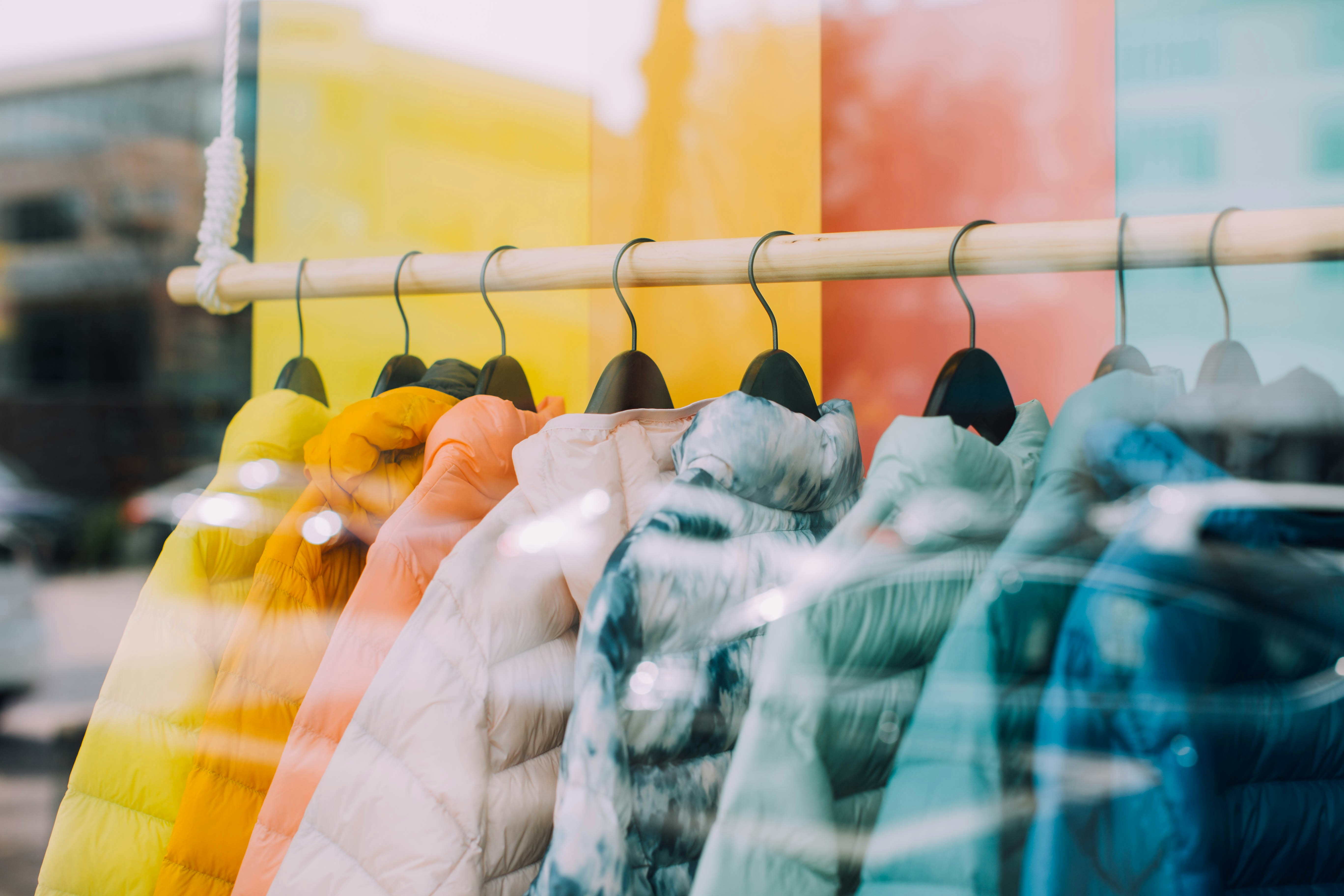
Understanding Winter Jackets: What to Look For

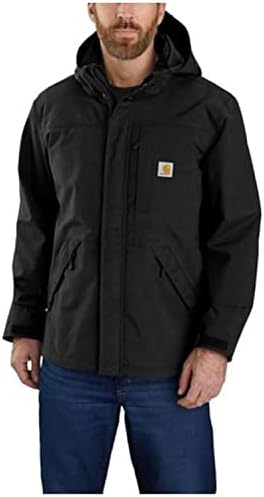

Winter jackets play a crucial role in maintaining warmth and comfort during cold weather. When selecting one, it is important to consider several key features that influence the functionality and overall effectiveness of the garment. One of the primary aspects to assess is insulation type. There are generally two categories: down insulation, which is known for its excellent warmth-to-weight ratio but tends to lose its insulating properties when wet, and synthetic insulation, which retains its warmth even when damp, making it more suitable for wet climates.
Additionally, the waterproof capabilities of winter jackets cannot be overlooked. Materials that offer both water resistance and breathability are particularly valuable, as they help keep moisture out while allowing sweat to escape. This is vital for maintaining comfort during various winter activities. Fabrics such as Gore-Tex and similar membranes have become popular choices among winter apparel designers due to their effective protection against elements.
Weight is another critical feature. A lightweight jacket can provide ease of movement and comfort, particularly for those who engage in activities such as skiing or hiking. Conversely, heavier jackets may offer more insulation and protection but can restrict mobility. Therefore, it is essential to find a balance according to one’s intended use and personal preferences.
Fit also influences the functionality of winter jackets. A proper fit not only enhances warmth but also allows for layering underneath, which is necessary in very cold conditions. Lastly, personal style should not be neglected; selecting a winter jacket that reflects your aesthetic will encourage consistent wear. Ultimately, by considering climate, activities, and individual style, one can make an informed choice that combines warmth, functionality, and flair.
Different Types of Winter Jackets
Winter jackets come in various styles, each designed for specific activities and weather conditions. Understanding these types can aid in choosing the right winter jacket to maintain warmth without sacrificing style.
First, parkas are among the most popular winter jackets. Characterized by their longer length and often fur-lined hoods, parkas offer excellent insulation and coverage. They are ideal for extremely cold conditions but can be bulky, making them less suitable for active pursuits such as hiking.
Down jackets are another widely favored option that utilizes down feathers for insulation. These jackets are lightweight and compressible, making them great for layering. While down jackets provide exceptional warmth, they may not perform well in wet conditions unless treated with a water-repellent coating, as wet down loses its insulating properties.
Insulated shells represent a hybrid approach, featuring an outer waterproof shell along with synthetic insulation. These jackets are versatile and well-suited for various winter activities, including skiing and snowboarding. However, they might be heavier than other types and may not provide as much warmth as a down jacket.
Lastly, softshell jackets offer flexibility and breathability, making them ideal for high-energy activities in moderate cold. They provide some insulation but are not suitable for extreme temperatures or heavy precipitation. Therefore, they are often layered beneath a rain shell for added protection in unpredictable weather.
Each type of winter jacket serves specific needs. Selecting the appropriate style hinges on understanding individual requirements, such as temperature expectations, activity level, and personal comfort preferences.
Insulation Options: Down vs. Synthetic
When selecting a winter jacket, one of the key considerations is the type of insulation used. The two primary categories of insulation are down and synthetic materials, each offering distinct advantages and disadvantages suitable for various environments and preferences.
Down insulation, derived from the soft under feathers of geese or ducks, is renowned for its exceptional warmth-to-weight ratio. This means it provides significant insulation while remaining lightweight, making it a popular choice for high-performance winter jackets. Down jackets excel in dry conditions, trapping air within the clusters of feathers, which creates an effective thermal barrier against cold temperatures. However, a notable drawback of down is its performance when wet. When down insulation becomes damp, its insulating properties diminish considerably, losing loft and warmth. Additionally, down jackets require careful washing and drying to maintain the integrity of the insulation, as improper care can lead to clumping and reduced efficacy.
In contrast, synthetic insulation offers a practical alternative, made from polyester fibers that mimic the properties of down. One significant advantage is that synthetic materials retain their insulating properties even when wet, making them a better option for humid or damp conditions. Synthetic winter jackets can withstand adverse weather better than their down counterparts, providing warmth without the worry of moisture loss. Moreover, these jackets tend to be easier to care for, as they are typically machine washable and dry more quickly. However, while modern synthetic options have improved in terms of warmth-to-weight ratios, they generally fall short when compared to down in extreme cold conditions.
Ultimately, the choice between down and synthetic insulation will depend on the intended use, weather conditions, and personal preference. Both options have their place in winter attire, catering to different style and performance needs.
When it comes to winter jackets, the importance of weather resistance cannot be overstated. As colder months approach, selecting outerwear that can withstand the elements becomes crucial for both comfort and health. Water resistance and windproof capabilities are critical attributes of an effective winter jacket, as they help to maintain body heat and keep the wearer dry.
Modern fabric technologies have significantly advanced the capabilities of winter jackets in terms of weather resistance. One of the leading materials is Gore-Tex, which is well-known for its breathable and waterproof qualities. This fabric allows moisture from the body to escape while preventing outside water from penetrating the jacket. As a result, individuals can remain dry during snow or rain without feeling clammy inside, which is vital for retaining warmth.
Another effective technology is Durable Water Repellent (DWR) coatings. Jackets that are treated with DWR can cause water to bead and roll off the fabric surface instead of soaking in, which enhances the garment’s water resistance. Regular maintenance of these coatings through proper washing and reapplication can prolong the effectiveness of a winter jacket, ensuring optimal performance in wet conditions.
Additionally, selection of materials plays a significant role in heat retention. Fabrics that combine windproof attributes, such as tightly woven nylon or polyester, prevent cold air from penetrating the jacket, thus maintaining warmth. This is particularly important during cold winds, which can exacerbate the feeling of chill. By choosing a winter jacket that incorporates these technological advancements, consumers can ensure a successful defense against harsh weather.
In conclusion, understanding the significance of weather resistance when selecting winter jackets is essential. The combination of water-resistant materials, windproof capabilities, and innovative fabric technologies can greatly enhance performance and comfort in the winter season.
Choosing the Right Fit and Style for Winter Jackets
Selecting the right fit and style for winter jackets is essential to ensure both warmth and mobility, while also allowing for personal expression. Fit is perhaps the most critical factor in determining overall comfort. When shopping for winter jackets, it is vital to pay attention to the size charts provided by manufacturers, as sizes can vary significantly between brands. Ensuring the jacket fits well in the shoulders and chest will allow for better freedom of movement, especially if layering is planned.
When it comes to distinguishing between styles for men, women, and children, there are notable differences in design that cater to body shapes and preferences. For men, winter jackets typically feature a straighter cut which allows for easier layering over casual or dressy attire. Many styles, such as parkas or bombers, offer additional warmth with insulation and longer hems. Conversely, women’s winter jackets often have more tailored silhouettes, emphasizing shape without sacrificing insulation.
Children’s winter jackets should prioritize ease of wear, incorporating features like adjustable hems and cuffs to accommodate growth. When choosing for children, it’s important to consider style options that appeal to them—bright colors or fun patterns can promote acceptance and enthusiasm for wearing warm outerwear.
Layering is another crucial concept when selecting winter jackets. An appropriate fit should allow for a base layer, such as a thermal shirt or sweater, without feeling restrictive. Additionally, consider the bulkiness of the garment; thicker jackets provide more warmth but can limit mobility if not chosen wisely. Therefore, finding a balance between warmth, fit, and style is key to enjoying the full benefits of your winter jacket.
Layering Techniques: Maximizing Warmth
When it comes to staying warm during the winter months, the technique of layering is essential. Layering involves wearing multiple articles of clothing with the aim of trapping heat between the layers while also allowing for flexibility and breathability. A typical layering approach consists of three key components: base layers, mid-layers, and outer layers. Understanding these components can significantly influence your comfort level when wearing winter jackets.
The base layer is the garment that sits directly against your skin. Its primary function is to wick moisture away from the body, keeping you dry and comfortable. Materials such as merino wool or synthetic fabrics like polyester are ideal for base layers. They not only ensure moisture management but also provide some warmth without bulkiness. Ensure that your base layer fits snugly to maximize its effectiveness.
Next, the mid-layer serves as insulation and is typically comprised of materials that retain heat. Fleece and down are common choices for mid-layers. A fleece jacket works well for added warmth and breathability, while a down vest can provide excellent insulation without too much weight. When selecting a mid-layer, consider factors such as insulation properties and your personal level of activity, as this will determine the thickness and style you might need.
Lastly, the outer layer, commonly represented by winter jackets, acts as a protective barrier against weather elements such as wind, rain, and snow. Look for outer layers made with waterproof, windproof, and breathable materials to ensure optimal protection. Features like adjustable cuffs, hoods, and hems can also enhance warmth and comfort. Together, these layers form a versatile system that not only maximizes warmth but also allows for easy adjustment depending on changing conditions or activities throughout the day.
Fashion Meets Function: Stylish Winter Jackets
The winter season not only brings colder temperatures but also presents an opportunity to showcase stylish winter jackets that blend functionality with contemporary fashion. The latest trends emphasize versatility, allowing individuals to express their personal style while remaining warm and comfortable.
When it comes to colors, earthy tones such as rich browns, deep greens, and muted burgundies are particularly popular this winter. These hues evoke a sense of warmth and connection to nature, complementing the soft palettes typical of the season. Additionally, bold colors like bright reds and electric blues are making a statement, offering a striking contrast against the often-dreary winter landscapes.
Patterns are also transforming the winter jacket scene. Plaids, houndstooth, and animal prints emerge as trendy choices that appeal to a variety of tastes. These designs not only add an element of fun to an outfit but also reflect the wearer’s personality. Moreover, quilted textures are gaining traction, marrying comfort with an elegant touch, ideal for both urban settings and more casual outings.
In terms of designs, there has been a shift towards oversized silhouettes, which not only promote comfort but also allow for layering underneath. This practical approach assists in maintaining optimal insulation, as temperatures fluctuate. On the other hand, tailored options are still prevalent, offering a sleek look that is suitable for both professional and casual environments.
Ultimately, the right winter jacket should harmonize functionality with fashion. Staying warm does not mean compromising on style; this season’s offerings prove that insulation, trends, and personal expression can coexist effortlessly.
Caring for Your Winter Jacket
Proper maintenance and care are essential for extending the lifespan of your winter jackets. These garments are not just a fashion statement; they are also crucial for keeping you warm during the chilly months. Therefore, understanding how to care for them can ensure their functionality and durability.
First and foremost, it is important to follow the washing instructions provided by the manufacturer. Many winter jackets are designed to be machine washable, but others may require dry cleaning. If your jacket is machine washable, consider using a gentle cycle with cold water, as this helps preserve the fabric’s integrity. Always use a mild detergent that is free from bleach to avoid damaging the material.
After washing, proper drying is critical. Most winter jackets should be air-dried instead of using a dryer, which can compromise insulation and potentially shrink the fabric. If your jacket contains down insulation, placing clean tennis balls in the dryer during the drying process can help fluff the down and restore its original loft.
Storage also plays a vital role in the care of winter jackets. When the winter season comes to an end, it’s best to store your jackets in a cool, dry place. Avoid hanging them on wire hangers, as this can distort their shape. Instead, opt for padded hangers or fold them neatly and place them in a breathable garment bag to prevent dust accumulation.
Lastly, addressing common issues such as odor or stains is essential. For odors, airing out the jacket can often suffice. However, for stubborn stains, a mild stain remover can be applied prior to washing. It is advisable to test any stain removal product on a hidden area first to ensure it won’t cause discoloration.
Top Brands and Where to Buy Winter Jackets
When it comes to purchasing winter jackets, several brands stand out due to their commitment to quality, durability, and style. Below, we explore some of the most reputable brands renowned for their exceptional winter jackets.
The North Face is a frontrunner in outdoor apparel, known for its innovative designs and advanced fabric technologies that provide warmth and wind resistance. Their winter jackets are particularly favored by adventurers and those who require reliable outerwear for severe weather. Customers can find The North Face jackets at their branded retail stores, outdoor gear shops, and online on their [official website](https://www.thenorthface.com) or major e-commerce platforms.
Canada Goose has made a name for itself with premium quality winter jackets designed for extreme cold. Their use of high-quality down insulation ensures warmth without bulk, making them a choice for style-conscious individuals who refuse to compromise on functionality. Purchase options include high-end department stores and specialty boutiques, as well as the [Canada Goose online store](https://www.canadagoose.com).
Columbia provides a wide range of winter jackets that combine affordability with technology. Many of their products feature water-resistant materials and thermal reflective linings, making them ideal for various winter activities. Columbia jackets can be found in sporting goods stores, outdoor retailers, and on their [official website](https://www.columbia.com).
Patagonia stands out not only for the performance of its winter jackets but also for its commitment to sustainability. With a focus on using recycled materials and ethical sourcing practices, Patagonia appeals to environmentally conscious consumers. Their winter jackets are available in their retail stores, select outdoor shops, and through their [online store](https://www.patagonia.com).
In addition to these brands, consider checking local outdoor markets and popular online retailers like Amazon, which stock a variety of winter jackets from various manufacturers, offering a wide array of styles and prices to choose from.